 English
- English
-
 Español
 -
 Português
 -
 русский
 -
 Français
 -
 日本語
日本語 -
 Deutsch
 -
 tiếng Việt
 -
 Italiano
 -
 Nederlands
 -
 ภาษาไทย
 -
 Polski
 -
 한국어
한국어 -
 Svenska
 -
 magyar
 -
 Malay
Malay -
 বাংলা ভাষার
 -
 Dansk
Dansk -
 Suomi
Suomi -
 हिन्दी
 -
 Pilipino
 -
 Türkçe
 -
 Gaeilge
 -
 العربية
 -
 Indonesia
 -
 Norsk
Norsk -
 تمل
تمل -
 český
český -
 ελληνικά
 -
 український
 -
 Javanese
 -
 فارسی
فارسی -
 தமிழ்
தமிழ் -
 తెలుగు
 -
 नेपाली
 -
 Burmese
 -
 български
 -
 ລາວ
ລາວ -
 Latine
 -
 Қазақша
 -
 Euskal
 -
 Azərbaycan
 -
 Slovenský jazyk
 -
 Македонски
 -
 Lietuvos
 -
 Eesti Keel
 -
 Română
 -
 Slovenski
 -
 मराठी
मराठी -
 Srpski језик


What Is The Difference Between A Portable Nail Lamp And A Full-Sized Salon Lamp?
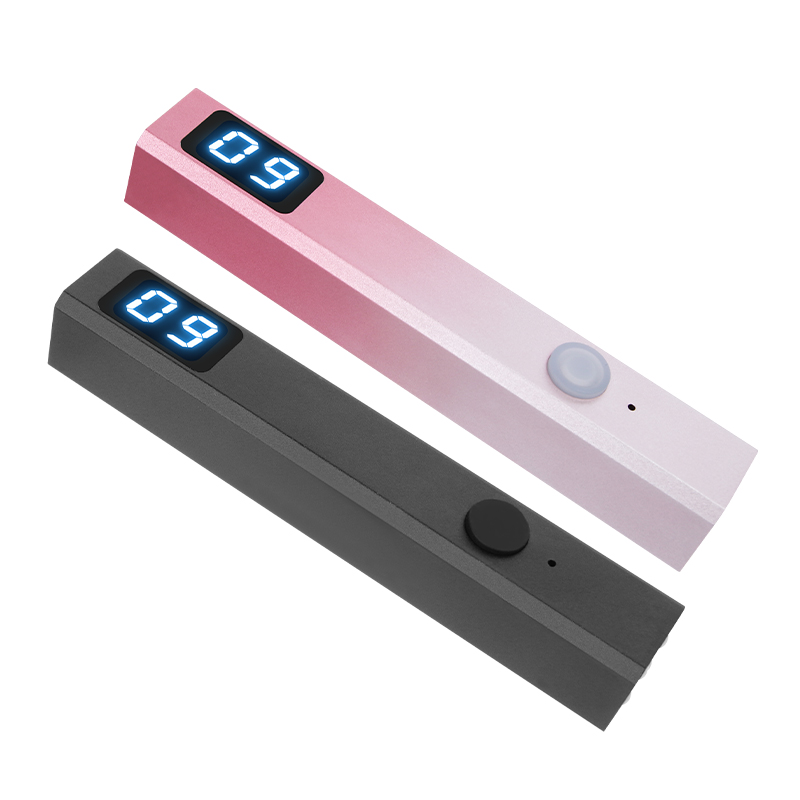
Shenzhen Baiyue technology co.,limited has been closely observing how a Portable Nail Lamp is changing nail curing habits, especially as users begin comparing compact devices with full-sized salon systems in real-world daily use. The difference is no longer only about size—it now involves efficiency, comfort, energy behavior, and how people structure their nail routines at home or in professional spaces. As nail technology becomes more accessible, understanding these differences helps explain why both formats continue to coexist in modern nail environments.
Why Nail Lamp Design Has Become a Talking Point
Over the past few years, nail curing devices have shifted from being purely salon-based equipment to everyday personal tools. This transition became especially noticeable after 2020, when at-home nail care practices expanded rapidly.
The core question is no longer "which one is stronger," but rather "which one fits the usage scenario better." A Nail Lamp represents flexibility, while a full-sized salon lamp represents stability and coverage. Both solve similar problems but in different ways.
What Defines a Portable Nail Lamp?
It is generally designed with compact structure, lightweight housing, and simplified operation. It focuses on mobility and convenience rather than large-scale curing capacity.
Key Characteristics:
- Compact size for handheld or tabletop use
- Lower watt range compared to salon systems
- USB or adapter-based power options
- Designed for personal or small-group sessions
- Quick setup and storage
These features make it suitable for environments where space and portability matter more than continuous high-volume use.
Full-Sized Salon Lamp: Built for Continuous Workflow
Full-sized salon lamps are typically designed for stable, repeated curing cycles. They often include larger internal reflection areas and higher LED coverage zones.
Key Characteristics:
- Wide curing space for both hands or feet
- Higher power output for faster curing consistency
- Built for continuous use cycles
- Fixed placement in dedicated workstations
- Enhanced durability for long operating hours
While less flexible in movement, they provide consistency when multiple curing sessions are required in a structured environment.
Portable Nail Lamp vs Full-Sized Lamp: Core Differences
The differences between these two categories can be understood more clearly when broken down into practical usage factors.
| Feature | Portable Nail Lamp | Full-Sized Salon Lamp |
| Size | Compact, lightweight | Large, fixed structure |
| Power Range | Lower to medium | Medium to high |
| Mobility | High | Low |
| Coverage Area | Limited | Wide, full-hand curing |
| Setup Requirement | Minimal | Station-based |
| Ideal Usage | Personal or travel use | Continuous multi-session use |
| Energy Consumption | Lower | Higher but more stable |
| Flexibility | High adaptability | Structured operation |
This comparison highlights that the difference is not about superiority, but about purpose alignment.
Why Portability Matters More Than Before
Changing Nail Habits
In many daily routines, nail care is no longer restricted to fixed locations. Users often move between home spaces, shared rooms, or travel environments. This shift has increased interest in compact devices like a Portable Nail Lamp that can be easily repositioned or stored.
Space Optimization
Not every environment supports large equipment setups. Smaller living spaces and flexible workstations benefit from compact tools that reduce clutter while still maintaining functional performance.
Energy Awareness
Smaller devices generally consume less power, which aligns with more energy-conscious usage patterns. While this does not replace full-sized systems, it introduces a different balance between efficiency and consumption.
Where Full-Sized Lamps Still Play a Strong Role
Despite the rise of portable solutions, full-sized systems remain essential in structured nail environments.
1. Consistency in Repeated Use
When multiple curing cycles are performed back-to-back, stability becomes important. Full-sized lamps provide consistent light distribution across sessions.
2. Broader Coverage
Two-hand curing or foot treatments require larger curing zones, which compact devices cannot fully replicate.
3. Workflow Stability
In organized nail stations, fixed equipment reduces setup time and supports smoother task flow.
Material and Light Source Evolution
Modern nail lamps, whether portable or full-sized, increasingly use dual light source systems combining UV and LED wavelengths. This allows compatibility with a wider range of gel formulations.
A Portable Nail Lamp often integrates these technologies into smaller frames, which requires careful heat management and LED arrangement to maintain curing efficiency without overheating.
Common Misunderstandings About Portable Devices
Several assumptions often appear when comparing lamp types:
- "Smaller means weaker." In reality, compact lamps can still provide sufficient curing for standard gel applications.
- "Portable devices are only for beginners." Usage depends more on scenario than experience level.
- "Full-sized lamps always cure faster." Speed depends on LED layout and wavelength balance, not just size.
These misconceptions show why understanding design intent is more important than focusing only on appearance.
Design Considerations Behind Modern Nail Lamps
Shenzhen Baiyue technology co.,limited has observed several consistent design priorities emerging in recent product development cycles:
- Improved LED bead arrangement for uniform curing
- Heat dissipation structures for longer operating cycles
- Scratch-resistant surface materials for durability
- Multi-voltage compatibility for flexible use environments
- Simplified control interfaces for intuitive operation
These improvements apply to both compact and full-sized systems, reflecting a broader shift toward usability-driven design.
Usage Scenarios in Real Environments
Portable Nail Lamp Scenarios
- Small personal setups
- Travel or temporary spaces
- Quick touch-up sessions
- Limited workspace environments
Full-Sized Lamp Scenarios
- Fixed nail stations
- Continuous multi-session use
- Professional-grade workflow environments
- Group nail sessions
This separation helps clarify why both types remain relevant rather than competing directly.
Future Direction of Nail Lamp Development
The trend is moving toward hybrid expectations—devices that combine portability with improved curing efficiency. Instead of replacing one type with another, the industry is gradually exploring flexible designs that adapt to different environments.
Energy efficiency, compact engineering, and user-centered design are becoming central factors in development decisions.
Conclusion: Two Designs, One Evolving Purpose
The difference between a Portable Nail Lamp and a full-sized salon lamp is not defined by capability alone, but by how each fits into different usage environments. Compact designs prioritize flexibility and accessibility, while larger systems focus on consistency and structured workflow support.
Shenzhen Baiyue technology co.,limited continues to develop nail lamp solutions, including the Nail Lamp systems and broader nail equipment categories, contributing to the ongoing evolution of nail curing technology in everyday and professional settings.
Send Inquiry




X
We use cookies to offer you a better browsing experience, analyze site traffic and personalize content. By using this site, you agree to our use of cookies.
Privacy Policy