 English
- English
-
 Español
 -
 Português
 -
 русский
 -
 Français
 -
 日本語
日本語 -
 Deutsch
 -
 tiếng Việt
 -
 Italiano
 -
 Nederlands
 -
 ภาษาไทย
 -
 Polski
 -
 한국어
한국어 -
 Svenska
 -
 magyar
 -
 Malay
Malay -
 বাংলা ভাষার
 -
 Dansk
Dansk -
 Suomi
Suomi -
 हिन्दी
 -
 Pilipino
 -
 Türkçe
 -
 Gaeilge
 -
 العربية
 -
 Indonesia
 -
 Norsk
Norsk -
 تمل
تمل -
 český
český -
 ελληνικά
 -
 український
 -
 Javanese
 -
 فارسی
فارسی -
 தமிழ்
தமிழ் -
 తెలుగు
 -
 नेपाली
 -
 Burmese
 -
 български
 -
 ລາວ
ລາວ -
 Latine
 -
 Қазақша
 -
 Euskal
 -
 Azərbaycan
 -
 Slovenský jazyk
 -
 Македонски
 -
 Lietuvos
 -
 Eesti Keel
 -
 Română
 -
 Slovenski
 -
 मराठी
मराठी -
 Srpski језик


What Is The Difference Between A Tabletop, Floor-Standing, And Portable Nail Dust Collector Machine?
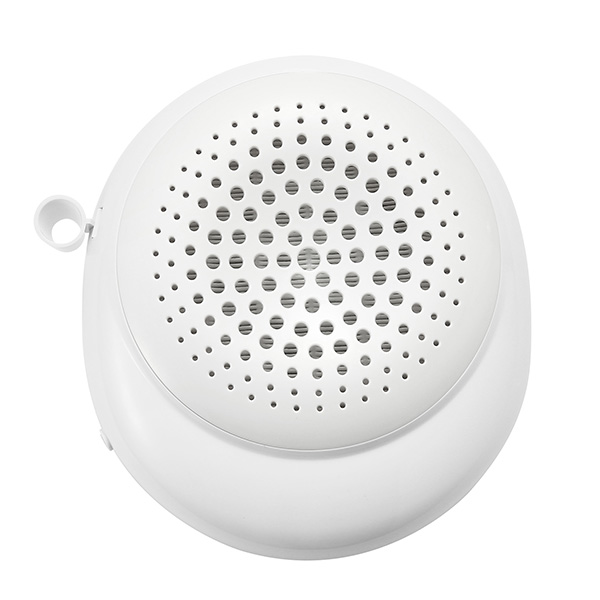
Shenzhen Baiyue technology co.,limited has been studying how a Nail Dust Collector Machine is being used differently across tabletop, floor-standing, and portable setups as nail environments continue to diversify in both professional and home spaces. The way nail dust is managed has become a more noticeable concern as users compare airflow strength, placement design, and spatial adaptability. These three structural types are not simply size variations—they reflect different approaches to dust control efficiency and workspace behavior.
Why Nail Dust Control Has Become a Design Priority
Nail dust is produced every time nails are filed, shaped, or polished. It may look harmless at first glance, but its fine particle nature allows it to spread quickly in enclosed spaces. Over time, this affects air clarity, surface cleanliness, and user comfort.
As nail routines become more frequent in compact environments, dust management is no longer optional. It has become part of the overall workspace design logic. This is where different structures of Nail Dust Collector Machine systems begin to show their unique roles.
Understanding the Three Main Types of Nail Dust Collectors
Tabletop Type: The Most Common Structure
Tabletop models are placed directly on work surfaces where nail treatment happens. They are designed to capture dust at close range.
Key Features:
- Positioned directly under or near hands
- Moderate suction focused on small working zones
- Compact housing for limited space setups
- Easy integration into existing nail tables
Tabletop systems are widely used because they directly target dust at the source without requiring structural changes to the workspace.
Floor-Standing Type: Expanded Air Capture Range
Floor-standing systems are designed for larger environments where dust dispersal is more widespread. They typically operate with higher airflow reach and broader intake positioning.
Key Features:
- Positioned below or beside the working area
- Stronger airflow capacity for wider dispersion zones
- Suitable for multi-seat or larger setups
- Reduced clutter on the main working surface
This type of Nail Dust Collector Machine is often associated with environments where multiple sessions occur in sequence, requiring consistent air movement control.
Portable Type: Flexible Dust Control Option
Portable systems focus on mobility and adaptability. They are designed to be repositioned easily depending on where nail work is performed.
Key Features:
- Lightweight and easy to relocate
- Flexible positioning near different working angles
- Suitable for temporary or changing environments
- Often USB or adapter powered
Portable systems reflect a growing trend where nail care is no longer limited to fixed locations.
Core Comparison of the Three Structures
| Feature | Tabletop Type | Floor-Standing Type | Portable Type |
| Placement | On work surface | Beside/below station | Flexible positioning |
| Airflow Range | Localized | Wide-area coverage | Adjustable small-to-medium |
| Space Requirement | Low | High | Very low |
| Mobility | Low | Low | High |
| Dust Capture Focus | Direct hand area | Surrounding workspace | Variable angle control |
| Usage Stability | High | Very high | Medium |
This comparison shows that each structure of Nail Dust Collector Machine systems is designed for different spatial logic rather than competing performance levels.
Why Different Environments Need Different Dust Control Logic
Space Density Matters
Smaller spaces often benefit from tabletop or portable designs because airflow can be concentrated. Larger structured environments require floor-standing systems to maintain air balance across multiple zones.
Usage Frequency Differences
High-frequency nail environments tend to generate more dust accumulation over time. In such cases, stable airflow systems help maintain consistent air quality.
Workflow Arrangement
Workstation layout directly affects dust movement. The position of hands, tools, and lighting can all influence how dust spreads, making placement design as important as suction strength.
Hidden Factors That Influence Dust Collection Performance
1. Airflow Direction Stability
Even strong suction can lose efficiency if airflow direction is unstable. Controlled intake paths help improve dust capture consistency.
2. Filter Structure Design
Fine mesh or layered filters can trap smaller particles more effectively. Washable designs also support long-term usability without frequent replacement cycles.
3. Noise Control Balance
Dust collection systems must balance suction power with noise output. Excessive noise can affect comfort during longer nail sessions.
Structural Evolution of Nail Dust Systems
In recent years, dust collection devices have evolved beyond simple suction tools. Modern designs integrate:
- Multi-fan airflow systems
- Adjustable speed settings
- Replaceable fragrance modules
- Dual charging interfaces in compact models
- Heat dissipation structures for longer use cycles
These improvements reflect how a Nail Dust Collector Machine is becoming part of the overall environmental control system rather than a standalone accessory.
Product Design Insights from Industry Practice
Shenzhen Baiyue technology co.,limited has observed that nail dust systems are increasingly expected to perform multiple functions within a single compact structure.
For example, some integrated designs include:
- Dual USB ports for auxiliary charging use
- Replaceable fragrance components to reduce odor impact
- Washable filtration systems for repeated use
- Multi-angle airflow intake structures
- Noise reduction fan design for quieter operation
These features show that dust collection is now linked with comfort and usability, not only cleanliness.
Practical Scenarios of Use
Tabletop Systems in Daily Routines
- Stable nail work setups
- Focused hand-area dust capture
- Compact workstation integration
Floor-Standing Systems in Structured Spaces
- Broader air management zones
- Multiple-session environments
- Reduced surface congestion
Portable Systems in Flexible Environments
- Temporary setups
- Space-limited environments
- Changing working positions
Each structure supports a different type of spatial behavior rather than replacing one another.
Common Misunderstandings About Nail Dust Systems
- "Stronger suction always means better performance."
Airflow direction and filtration efficiency are equally important.
- "One type can fit all environments."
Workspace size and layout strongly affect performance results.
- "Dust disappears when not visible."
Fine particles often remain suspended longer than expected.
Understanding these points helps clarify why multiple structural designs exist.
Broader Environmental Impact of Dust Control
Beyond visibility, nail dust affects:
- Surface cleanliness consistency
- Air clarity over time
- Tool maintenance frequency
- General workspace comfort
Effective dust control supports a more stable environment where nail procedures feel smoother and more controlled.
Conclusion: Three Structures, One Functional Goal
Tabletop, floor-standing, and portable systems all address nail dust from different spatial and operational perspectives. The differences lie in how airflow is directed, how space is used, and how flexibility is balanced with stability.
Shenzhen Baiyue technology co.,limited continues to develop Nail Dust Collector Machine systems that reflect these evolving usage patterns, focusing on adaptable airflow design and practical environmental control across different nail care settings.
Send Inquiry





X
We use cookies to offer you a better browsing experience, analyze site traffic and personalize content. By using this site, you agree to our use of cookies.
Privacy Policy