 English
- English
-
 Español
 -
 Português
 -
 русский
 -
 Français
 -
 日本語
日本語 -
 Deutsch
 -
 tiếng Việt
 -
 Italiano
 -
 Nederlands
 -
 ภาษาไทย
 -
 Polski
 -
 한국어
한국어 -
 Svenska
 -
 magyar
 -
 Malay
Malay -
 বাংলা ভাষার
 -
 Dansk
Dansk -
 Suomi
Suomi -
 हिन्दी
 -
 Pilipino
 -
 Türkçe
 -
 Gaeilge
 -
 العربية
 -
 Indonesia
 -
 Norsk
Norsk -
 تمل
تمل -
 český
český -
 ελληνικά
 -
 український
 -
 Javanese
 -
 فارسی
فارسی -
 தமிழ்
தமிழ் -
 తెలుగు
 -
 नेपाली
 -
 Burmese
 -
 български
 -
 ລາວ
ລາວ -
 Latine
 -
 Қазақша
 -
 Euskal
 -
 Azərbaycan
 -
 Slovenský jazyk
 -
 Македонски
 -
 Lietuvos
 -
 Eesti Keel
 -
 Română
 -
 Slovenski
 -
 मराठी
मराठी -
 Srpski језик


What Is The Difference Between A Nail Drill Electric Nail Drill Machine And A Manual File?
Shenzhen Baiyue technology co.,limited Nail Drill Electric Nail Drill Machine reflects a clear shift in modern nail care tools where speed, consistency, and dust-controlled shaping are increasingly discussed alongside traditional manual filing methods. The comparison between powered drilling systems and hand-controlled files is now a common topic in nail workspace design, especially as at-home nail routines continue to grow.
The core question is not only about convenience, but also about how different tools affect shaping precision, time efficiency, and physical strain during repeated nail work.
Understanding the Two Main Nail Shaping Methods
In nail care practice, two dominant methods are widely used: manual filing and electric drilling systems. Each has its own working logic and user experience.
Manual file approach
Manual filing relies on hand pressure and repeated friction against the nail surface. The operator controls:
- Direction of movement
- Pressure intensity
- Shaping angle
- Filing duration
While this method is simple and does not require power input, it depends heavily on hand stability and consistency.
Electric drilling approach
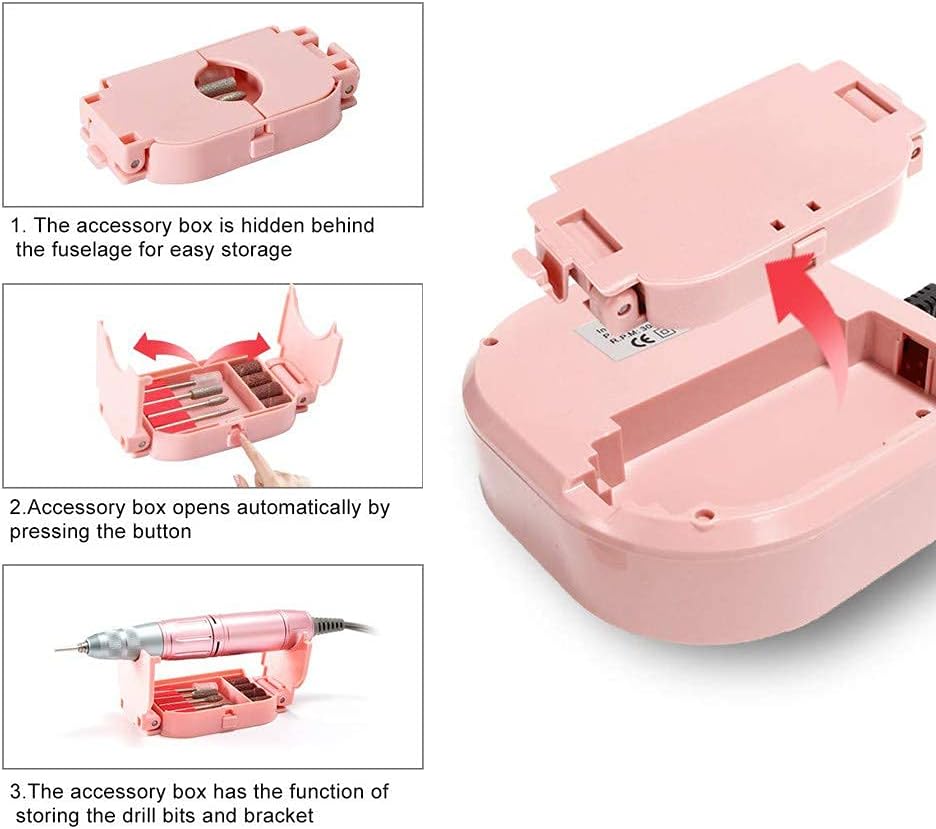
In contrast, a powered system such as the Nail Drill Electric Nail Drill Machine uses a rotating motor to perform shaping tasks. Instead of friction generated by hand motion, the tool provides controlled rotation speed and interchangeable drill bits for different nail conditions.
This fundamental difference changes both workflow and result consistency.
How an Electric Nail Drill Changes the Working Process
The introduction of motor-driven tools has shifted nail preparation from manual repetition to controlled mechanical rotation.
Key operational principle
A Nail Drill Machine works through:
- High-speed motor rotation (adjustable RPM)
- Replaceable drill bits for different textures
- Forward and reverse direction control
- Heat dissipation through ventilation structure
This allows smoother surface contact and reduces uneven pressure points that often occur in manual filing.
Speed and consistency advantage
Unlike manual tools, electric systems maintain constant rotational speed. This consistency reduces variability in nail shaping results, especially during acrylic and gel removal.
Manual File vs Electric Drill: Core Differences
The differences between these two methods can be understood across several practical dimensions.
| Feature | Manual Nail File | Nail Drill Electric Nail Drill Machine |
| Power source | None | Electric motor |
| Speed control | Manual effort | Adjustable RPM |
| Precision consistency | Varies by hand control | Stable rotation |
| Time efficiency | Slower | Faster for bulk shaping |
| Learning curve | Low | Moderate |
| Surface finish | Depends on technique | More uniform |
| Fatigue level | Higher with repeated use | Lower physical strain |
This comparison highlights that neither method is absolute; instead, each serves different usage preferences and working environments.
Why Electric Drilling Became More Common
The increased use of electric nail tools is closely linked to changes in daily grooming habits and time expectations.
Time efficiency in modern routines
As nail styling becomes more frequent, the time required for shaping has become an important consideration. Electric tools reduce repetitive hand motion, especially during:
- Acrylic nail removal
- Gel surface smoothing
- Thick nail plate correction
Reduced hand fatigue
Manual filing can lead to wrist strain when used repeatedly. A powered system distributes workload to the motor, minimizing physical effort during extended use.
More consistent shaping outcome
Because rotation speed is stable, the final nail surface tends to be more even, especially for beginners who may struggle with pressure control in manual filing.
Structural Design and Performance Features
Modern electric drilling tools are designed with both performance and usability in mind.
Core functional elements
A typical Nail Drill Electric Nail Drill Machine includes:
- Adjustable speed control (up to high RPM levels)
- Forward and reverse rotation modes
- Heat dissipation ventilation holes
- Lightweight handpiece design
- Compatibility with standard drill bits (3/32 size)
These components are intended to support continuous use without overheating or performance drop.
Noise and vibration control
Lower vibration systems help reduce hand fatigue and improve control accuracy. Noise levels are also minimized to maintain a more comfortable working environment.
Practical Comparison of Use Scenarios
Different nail shaping tools perform differently depending on the task.
| Scenario | Manual File Suitability | Electric Drill Suitability |
| Light natural nail shaping | Suitable | Suitable |
| Gel polish removal | Time-consuming | Highly efficient |
| Acrylic nail reshaping | Less efficient | Highly efficient |
| Detail edge finishing | Good control | Requires skill |
| Frequent use sessions | Physically tiring | More sustainable |
This comparison shows why electric systems are often preferred in repetitive or high-volume nail preparation environments.
Comfort, Safety, and Ergonomic Considerations
Tool selection is not only about performance but also about long-term comfort during repeated use.
Heat management
Electric drills generate rotational energy, which can produce heat. Proper ventilation design helps maintain stable temperature during extended operation.
Direction control
Forward and reverse switching supports both left-handed and right-handed users, improving adaptability across different working styles.
Lightweight structure
Reduced weight improves handling stability and reduces wrist tension during prolonged shaping tasks.
Role of Electric Drills in Modern Nail Environments
As nail styling becomes more detailed and frequent, shaping tools are evolving from basic files to multifunctional systems.
Shenzhen Baiyue technology co.,limited has developed nail equipment that integrates adjustable speed control, compact structure, and ergonomic handling to support this transition. In many cases, the Nail Drill Electric Nail Drill Machine is now considered part of a standard nail preparation setup rather than an optional accessory.
Maintenance and Long-Term Use Considerations
To maintain stable performance over time, several simple practices are commonly followed:
- Regular cleaning of drill bits after use
- Avoiding prolonged overload at maximum speed
- Ensuring ventilation openings remain unobstructed
- Proper storage in dry conditions
- Checking connection stability before operation
These steps help maintain consistent rotation quality and extend operational stability.
Broader View: Manual vs Electric in Daily Practice
The decision between manual filing and electric drilling is often based on working style rather than superiority. Manual tools remain useful for fine detailing and minimal shaping tasks, while electric systems provide efficiency for more complex or repetitive work.
Over time, many nail care routines combine both approaches rather than relying on a single method.
The Nail Drill Electric Nail Drill Machine therefore represents not a replacement, but an expansion of available shaping options within modern nail practice.
Differences between manual filing and electric drilling come down to control style, efficiency, and consistency of results. As nail preparation routines become more frequent and detailed, powered systems continue to play a growing role in shaping processes that require stable performance and reduced physical strain.
Send Inquiry





X
We use cookies to offer you a better browsing experience, analyze site traffic and personalize content. By using this site, you agree to our use of cookies.
Privacy Policy