 English
- English
-
 Español
 -
 Português
 -
 русский
 -
 Français
 -
 日本語
日本語 -
 Deutsch
 -
 tiếng Việt
 -
 Italiano
 -
 Nederlands
 -
 ภาษาไทย
 -
 Polski
 -
 한국어
한국어 -
 Svenska
 -
 magyar
 -
 Malay
Malay -
 বাংলা ভাষার
 -
 Dansk
Dansk -
 Suomi
Suomi -
 हिन्दी
 -
 Pilipino
 -
 Türkçe
 -
 Gaeilge
 -
 العربية
 -
 Indonesia
 -
 Norsk
Norsk -
 تمل
تمل -
 český
český -
 ελληνικά
 -
 український
 -
 Javanese
 -
 فارسی
فارسی -
 தமிழ்
தமிழ் -
 తెలుగు
 -
 नेपाली
 -
 Burmese
 -
 български
 -
 ລາວ
ລາວ -
 Latine
 -
 Қазақша
 -
 Euskal
 -
 Azərbaycan
 -
 Slovenský jazyk
 -
 Македонски
 -
 Lietuvos
 -
 Eesti Keel
 -
 Română
 -
 Slovenski
 -
 मराठी
मराठी -
 Srpski језик


How Does a Nail Dust Collector Machine Elevate Cleanliness, Efficiency, and Future Salon Standards?
A Nail Dust Collector Machine is designed to efficiently capture fine nail dust particles generated during filing, polishing, drilling, and acrylic removal. In professional salons, airborne dust can quickly accumulate, affecting visibility, hygiene, equipment performance, and customer comfort.
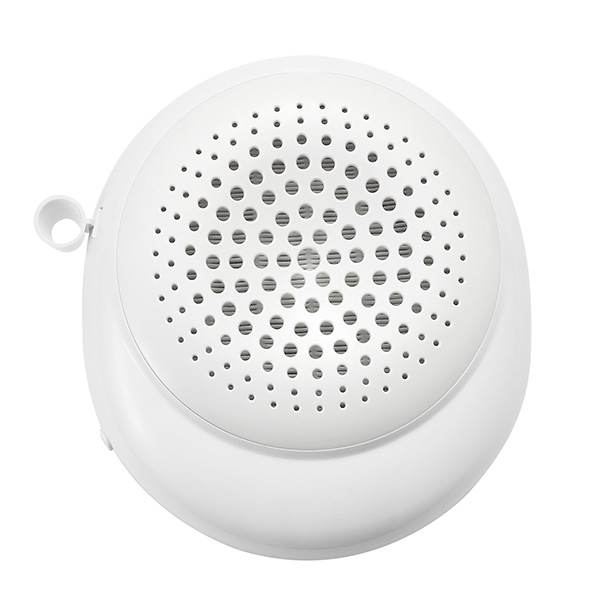
The following content is organized into four integrated sections, presenting technical specifications, performance insights, practical applications, and future outlooks. The goal is to help readers understand how the machine works, why it matters, and what criteria determine the best choice for professional use.
How Does a Nail Dust Collector Machine Capture Fine Particles Effectively?
A nail dust collector works by generating strong negative pressure to pull dust into an internal filtration system, preventing airborne spread. The internal structure normally includes a high-speed motor, air channels, filtration components, and vents for clean air release. Efficient suction is crucial—especially for acrylic nails, gel nails, poly gel shaping, and high-RPM electric nail file use.
Key Technical Parameters Overview
| Parameter Category | Specification / Description |
|---|---|
| Motor Power | 60W–120W high-speed brushless motor for stable suction |
| Suction Capacity | 3200–4500Pa negative pressure for continuous dust capture |
| Airflow System | Dual-channel or triple-channel airflow for 360° dust extraction |
| Filtration Type | Multi-layer HEPA filter, reusable fine mesh filter, or cyclone separation |
| Noise Level | 45–58dB optimized sound control |
| Shell Material | ABS flame-retardant housing or aluminum alloy casing |
| Fan Speed Options | 2–5 adjustable levels for different nail procedures |
| Power Supply | AC110V–220V global voltage compatibility |
| Dust Collection Method | Detachable filter box or removable dust bag |
| Expected Lifespan | 3–5 years depending on use frequency |
These core specifications define how well the machine handles different nail services. Strong suction combined with high-efficiency filtration ensures that dust is immediately drawn in rather than suspended in the air.
How Suction Structure Influences Dust Control
-
Direct-inlet collectors draw particles straight into the filtration area, ideal for acrylic and gel enhancements.
-
Centralized air channel collectors offer balanced air distribution for continuous filing.
-
Wide-surface collectors allow nail technicians to rest hands comfortably during intricate shaping tasks.
Advanced units often include sensor-based speed adjustments to match dust intensity, keeping the device efficient without unnecessary power consumption.
How Does a Nail Dust Collector Machine Improve Salon Efficiency and Customer Experience?
Beyond dust control, a well-designed machine enhances workflow in various ways. The following factors determine how it elevates the salon experience for both technicians and clients.
1. How Does Filtration Technology Enhance Air Quality?
Modern filtration systems significantly reduce airborne particles. Multi-layer HEPA filtration captures particles as small as 0.3 microns, ensuring cleaner breathing environments. Reusable mesh filters reduce maintenance costs and can be washed for long-term use.
Key benefits include:
-
Reduced respiratory irritation
-
Cleaner work surfaces
-
Longer lifespan for nail drills and tools
-
Less dust lingering on skin, nails, and furniture
For high-traffic salons, sustained air cleanliness is essential to maintaining a professional appearance.
2. How Do Ergonomic Features Improve Technician Comfort?
Ergonomics plays a central role in long nail sessions. The machine's shape, hand rest height, angle of air intake, and noise control influence comfort.
Important ergonomic advantages include:
-
Low noise ensures a more pleasant service environment
-
Anti-slip surface keeps client hands steady
-
Curved shell shapes enhance wrist support
-
Proper heat dissipation prevents machine overheating
Efficient design leads to faster, smoother procedures.
3. How Does a Nail Dust Collector Increase Client Confidence?
Clients often notice airborne dust and feel more comfortable when a salon visibly uses dust-control equipment. Clean environments reinforce professional standards and increase return visits.
Customers appreciate:
-
visibly cleaner air
-
hygienic surfaces
-
minimized odor mixing with acrylic powders
-
a smoother, dust-free finishing result
This builds trust and can elevate the salon's overall reputation.
How Will Future Nail Dust Collector Machines Evolve?
Advancements in salon technology continue to push innovation in dust-control devices. Future trends focus on efficiency, automation, and environmental responsibility.
1. How Will Smart Sensor Technology Improve Dust Management?
Upcoming models will likely integrate intelligent sensors to detect dust density and adjust suction automatically. Potential improvements include:
-
airflow optimization based on real-time usage
-
auto-shutoff timers
-
energy-saving eco-modes
-
digital displays showing filter life and air quality
Smart systems will help reduce unnecessary maintenance while maximizing performance.
2. How Will Filtration Materials Improve Sustainability?
Environmental considerations are becoming more important. Manufacturers are expected to introduce:
-
reusable filters made of high-density polymer fibers
-
biodegradable dust bags
-
washable multilayer structures
-
energy-efficient motors with lower power consumption
These changes reduce waste and operating costs, making them attractive for large salons.
3. How Will Noise Reduction and Motor Design Advance?
Next-generation motors may include:
-
magnetic levitation components for near-silent operation
-
double-sealed bearings for durability
-
aerospace-grade fan blades for smoother airflow
Noise reduction contributes to better customer communication and relaxation.
4. How Will Ergonomics and Aesthetic Design Evolve?
Future models may adopt:
-
thinner casings with increased airflow
-
adjustable hand pads for different service styles
-
anti-fatigue wrist supports
-
lightweight, portable structures for mobile nail technicians
As aesthetics gain importance, sleek minimalistic designs will likely dominate salon trends.
How to Choose the Right Nail Dust Collector Machine for Professional Use?
Selecting the correct machine involves comparing performance, durability, and maintenance requirements. The following criteria help salons and individuals make an informed decision.
1. How to Evaluate Suction Power for Different Nail Services?
High-RPM e-files generate heavy dust during acrylic removal. Strong suction is required, typically above 3500Pa. For natural nail filing or basic shaping, lower speeds with 1500–2500Pa may suffice.
A flexible machine should have adjustable suction to match service intensity.
2. How to Assess Filtration Quality?
Assess the following:
-
Does the filter trap ultra-fine acrylic and gel dust?
-
Is it reusable or disposable?
-
How long does it last between cleanings?
-
Is the replacement cost reasonable?
HEPA-grade filters remain the top choice for hygienic salons.
3. How to Compare Device Material and Structural Strength?
Look for:
-
ABS or aluminum shell
-
heat-resistant fan components
-
stable rubber foot pads
-
reinforced internal wiring
High-quality materials prevent deformation and overheating.
4. How to Maintain a Nail Dust Collector Machine Properly?
Regular maintenance ensures long life:
-
clean the filter weekly
-
remove dust buildup from air channels
-
replace HEPA filters every 2–3 months
-
check fan speed consistency
-
avoid covering air vents
Well-maintained machines continue delivering strong suction for years.
Frequently Asked Questions
Q1: How often should the filter be replaced for optimal suction performance?
A: Replacement frequency depends on usage. High-traffic salons may replace HEPA filters every 6–8 weeks, while occasional home users may replace them every 3–4 months. Regular cleaning improves efficiency, but once airflow weakens significantly, replacement is necessary to maintain proper suction.
Q2: How can a nail dust collector reduce health risks for nail technicians?
A: Nail technicians inhale fine acrylic and gel dust daily. A dust collector prevents these particles from becoming airborne by capturing them immediately at the source. This reduces respiratory irritation, skin contamination, and long-term exposure risks, promoting a healthier workspace.
How Does the Baiyue Nail Dust Collector Machine Support a Cleaner, Safer Salon Future?
A Nail Dust Collector Machine plays a crucial role in maintaining professional salon hygiene, enhancing workflow efficiency, and improving customer satisfaction. Its engineering—built around suction dynamics, filtration quality, ergonomic structure, and performance stability—defines how effectively it supports long-term salon operations. With technological improvements on the horizon, nail salons can expect smarter, quieter, and more sustainable dust-management solutions.
Baiyue continues to develop high-quality, durable, and efficient dust collectors engineered to meet modern salon needs. For salons seeking reliable, high-performance equipment designed to elevate cleanliness and professionalism, Baiyue offers dependable solutions tailored to both commercial and personal use.
If more information or product specifications are needed, contact us to receive detailed technical support and consultation.
Send Inquiry





X
We use cookies to offer you a better browsing experience, analyze site traffic and personalize content. By using this site, you agree to our use of cookies.
Privacy Policy